Essay · Education
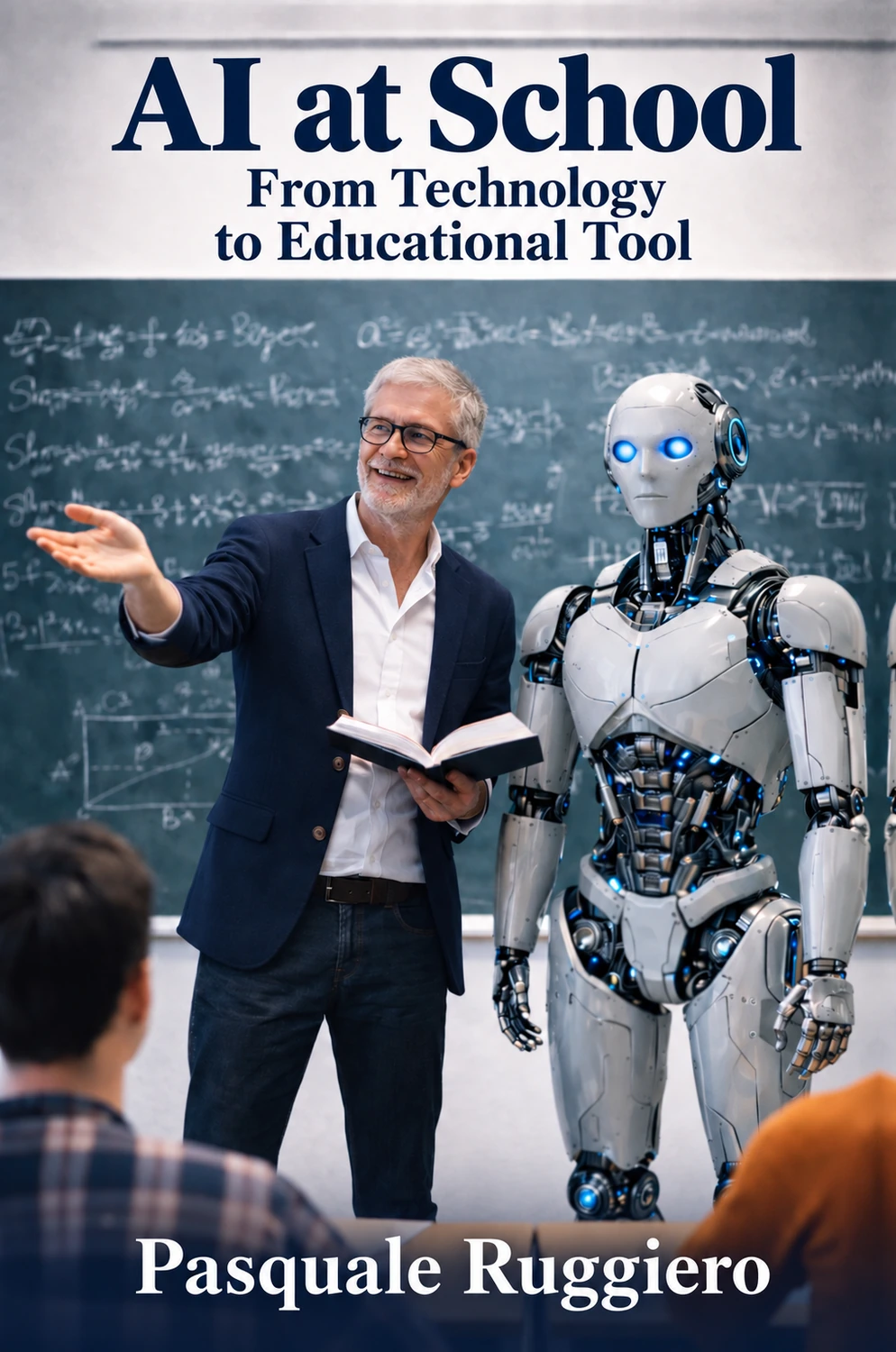
AI at School
From Technology to Educational Tool
A guide to understanding and governing AI in the classroom, from personalized learning and inclusion to new educational responsibilities.
The book
Artificial intelligence in education
AI at School by Pasquale Ruggiero examines the arrival of artificial intelligence in classrooms and learning environments. The book approaches AI through education: what it can contribute to teaching, what its limits are, and how its use can remain guided by human judgment.
It connects personalized learning with inclusion, educational inequality, responsibility and digital citizenship. The role of teachers remains central: deciding when technology serves a learning goal, examining its outputs and preserving the relationships through which students learn.
Written for teachers, educators and school leaders, the book invites readers to consider how schools can use AI while protecting critical awareness and the human dimension of education. Its perspective also offers a starting point for anyone interested in the social responsibilities that accompany educational technology.
To place educational responsibility within the wider social influence of AI, explore The Power of the Algorithm: The Invisible Revolution of Artificial Intelligence by Pasquale Ruggiero.
Education also asks how knowledge becomes human understanding. Readers interested in consciousness and scientific knowledge can continue with Pasquale Ruggiero’s Science & Consciousness, which explores scientific progress, inner life and spiritual awareness.
Learning to evaluate digital messages includes understanding artificial intelligence and consumer behavior. In Algorithms of Desire, Pasquale Ruggiero examines how personalization and digital identity make critical awareness part of everyday digital citizenship.
How AI is changing teaching and learning
Personalized learning raises questions about the balance between individual support and a shared educational experience. A useful starting point is the learning objective: teachers need to consider how a tool supports understanding, participation and students’ ability to think for themselves.
AI literacy for teachers and students
Using AI responsibly calls for critical awareness of how its outputs are produced and where they may be incomplete or misleading. Education has a role in helping learners ask questions, examine information and retain responsibility for their work.
AI, inclusion and educational inequality
The promise of support for different learning needs must be considered alongside unequal access to technology. The book connects inclusion with emerging inequalities and the educational decisions needed to make participation possible.
Ethics and responsible AI in schools
Educational responsibility and digital citizenship provide a framework for considering the place of AI in school life. Human relationships, critical judgment and the dignity of learners remain central to that discussion.
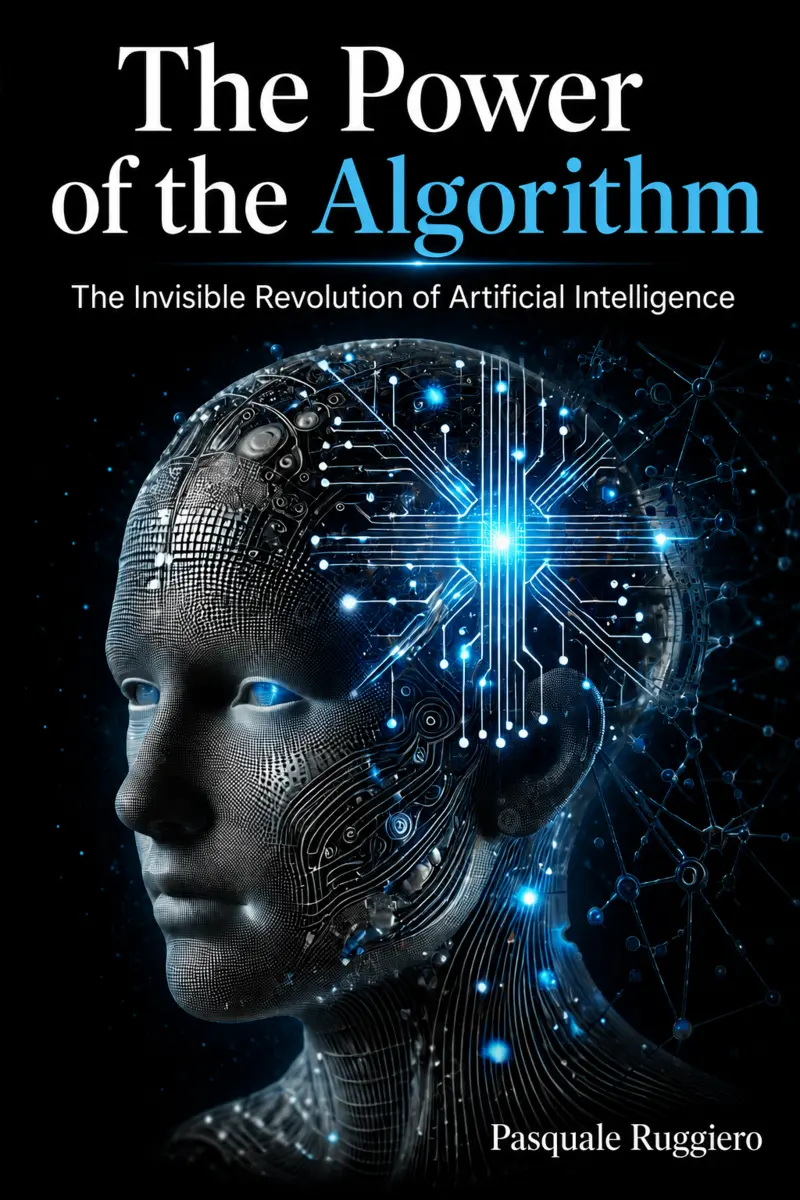
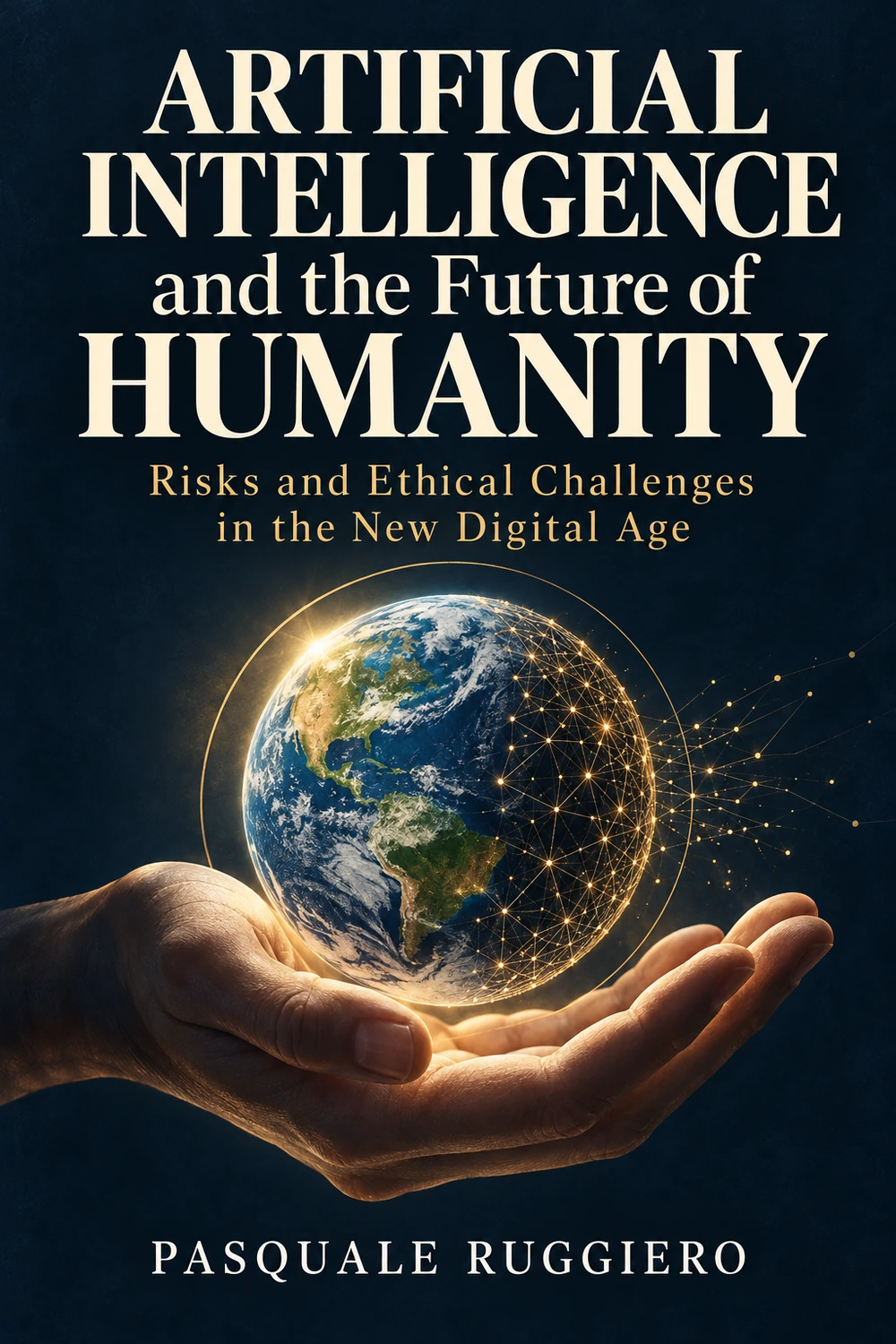
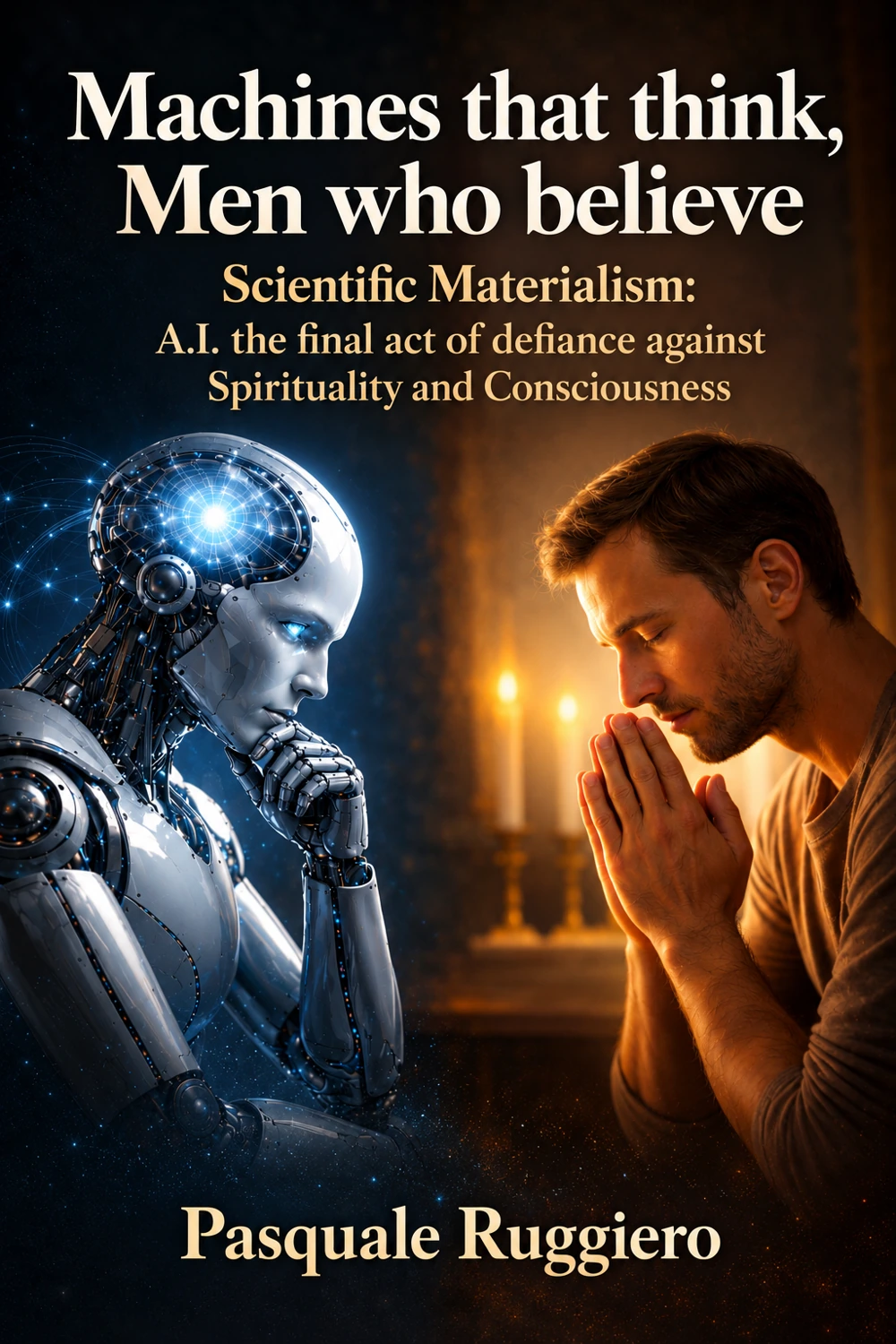

Explore more books by Pasquale Ruggiero: AI at School, The Power of the Algorithm & The Algorithmic Paycheck.